The Canton Fair Is Over. What Should You Do Next?
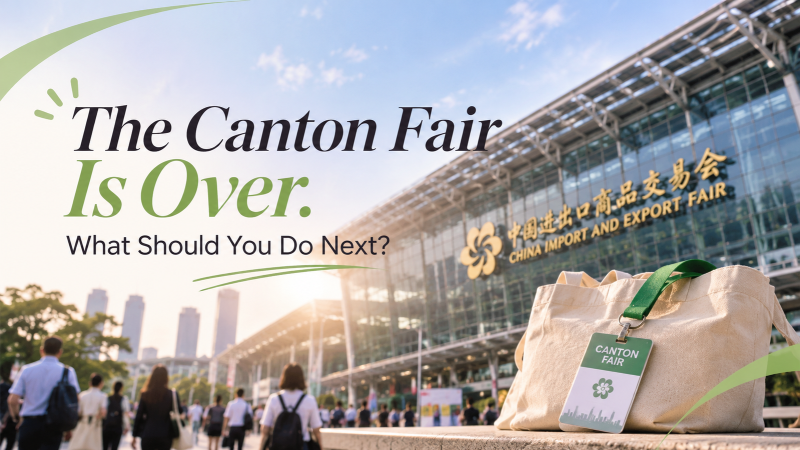
The Canton Fair brings together thousands of suppliers, manufacturers, and international buyers under one roof. Over a few days, you may have collected dozens of business cards, received multiple quotations, discovered interesting products, and established promising business connections.
But what happens after the exhibition?
For many buyers, the real challenge begins once they return home. With so many suppliers to follow up with, quotations to compare, and potential orders to evaluate, turning exhibition contacts into reliable business partnerships can quickly become overwhelming.
So, what's the next step?
Here is a practical guide to help you move forward after the Canton Fair and turn promising connections into successful sourcing opportunities in China.
1. Organize and Review Your Supplier Contacts
Before jumping into negotiations, start by organizing all the contacts you collected during the exhibition.
Separate suppliers according to product categories, business priorities, and potential cooperation opportunities. Review your notes, product photos, brochures, and quotations while the conversations are still fresh in your mind.
A simple supplier database can help you keep track of:
1. Supplier names and contact information
2. Product categories and specifications
3. Initial quotations and MOQ requirements
4. Customization capabilities
5. Sample availability
6. Communication and follow-up status
Don't treat every business card as an opportunity worth pursuing. Focus on suppliers whose products, capabilities, and business conditions align with your sourcing requirements.
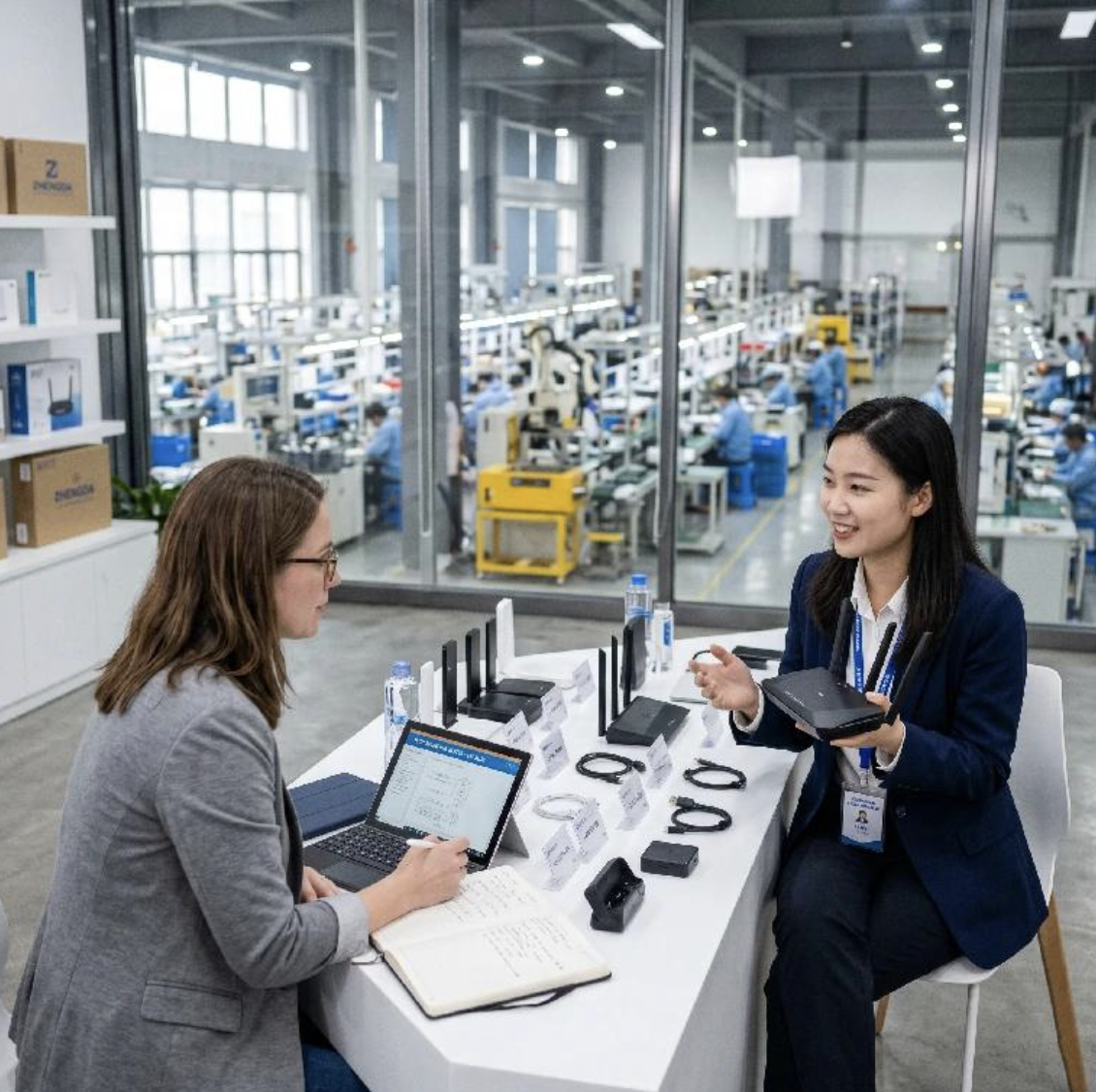
2. Compare Suppliers Beyond Just the Price
One of the biggest mistakes buyers make after the Canton Fair is choosing a supplier based solely on the lowest quotation.
A competitive price does not always mean the best deal.
Two suppliers may offer similar products but differ significantly in production capabilities, quality standards, customization options, delivery schedules, and communication efficiency.
When evaluating potential suppliers, consider:
1. Product quality and consistency
2. Factory capabilities and production experience
3. MOQ and pricing flexibility
4. Production lead times
5. Customization and packaging options
6. Quality control procedures
A reliable China supplier sourcing decision should consider the overall value, not just the initial price. Comparing multiple suppliers helps you understand the market better and negotiate with greater confidence.

3. Verify Your Suppliers Before Placing an Order
A successful conversation at an exhibition does not automatically guarantee a reliable business partnership. Before making a deposit or confirming an order, take time to verify the supplier's actual business operations.
Depending on your sourcing requirements, this may include checking business licenses, confirming factory addresses, reviewing production facilities, and assessing whether the supplier has the capabilities to meet your requirements.
If possible, arrange a factory audit in China or conduct an on-site factory visit.
This is particularly important when you are sourcing from China for the first time or planning a long-term purchasing relationship.
Remember: A professional-looking booth and an attractive product catalog are only the beginning. What matters is whether the supplier can consistently deliver what they promise.
4. Request Samples and Confirm Product Specifications
Before moving into mass production, make sure you understand exactly what you are purchasing. Request samples from shortlisted suppliers and evaluate them against your expectations.
Pay attention to:
1. Materials and product specifications
2. Workmanship and finishing
3. Functionality and performance
4. Packaging requirements
5. Labeling and branding details
For customized products, make sure all important details are confirmed in writing.
Clear specifications help minimize misunderstandings between buyers and suppliers, especially when the final order involves multiple product variations or customization requirements.
5. Negotiate Better Terms and Plan Your Orders
Once you have identified suitable suppliers, it's time to move into serious negotiations. Beyond unit prices, discuss the terms that will affect your overall purchasing costs and delivery schedule.
These may include:
1. Minimum order quantities (MOQ)
2. Payment terms and deposit arrangements
3. Production lead times
4. Packaging and labeling requirements
5. Quality inspection arrangements
6. Shipping and delivery coordination
If you are sourcing from multiple suppliers, consider how your purchasing schedule can be coordinated to reduce unnecessary costs and improve efficiency.
Effective China supplier negotiation is not simply about getting the lowest price. It is about establishing clear, practical terms that work for both parties.
6. Work with a Local China Sourcing Agent to Simplify the Process
Following up with multiple suppliers from overseas can be time-consuming.
Language barriers, different communication habits, supplier verification, sample coordination, quality inspections, and shipment arrangements can all make the purchasing process more complicated than expected.
This is where a professional China sourcing agent can make a difference.
Instead of managing every supplier independently, you can work with a local sourcing partner who understands the Chinese market and can coordinate the process on your behalf.
At Guangzhou Bright Future, we support international buyers throughout their China sourcing journey, helping them turn supplier connections into more organized and manageable purchasing operations.
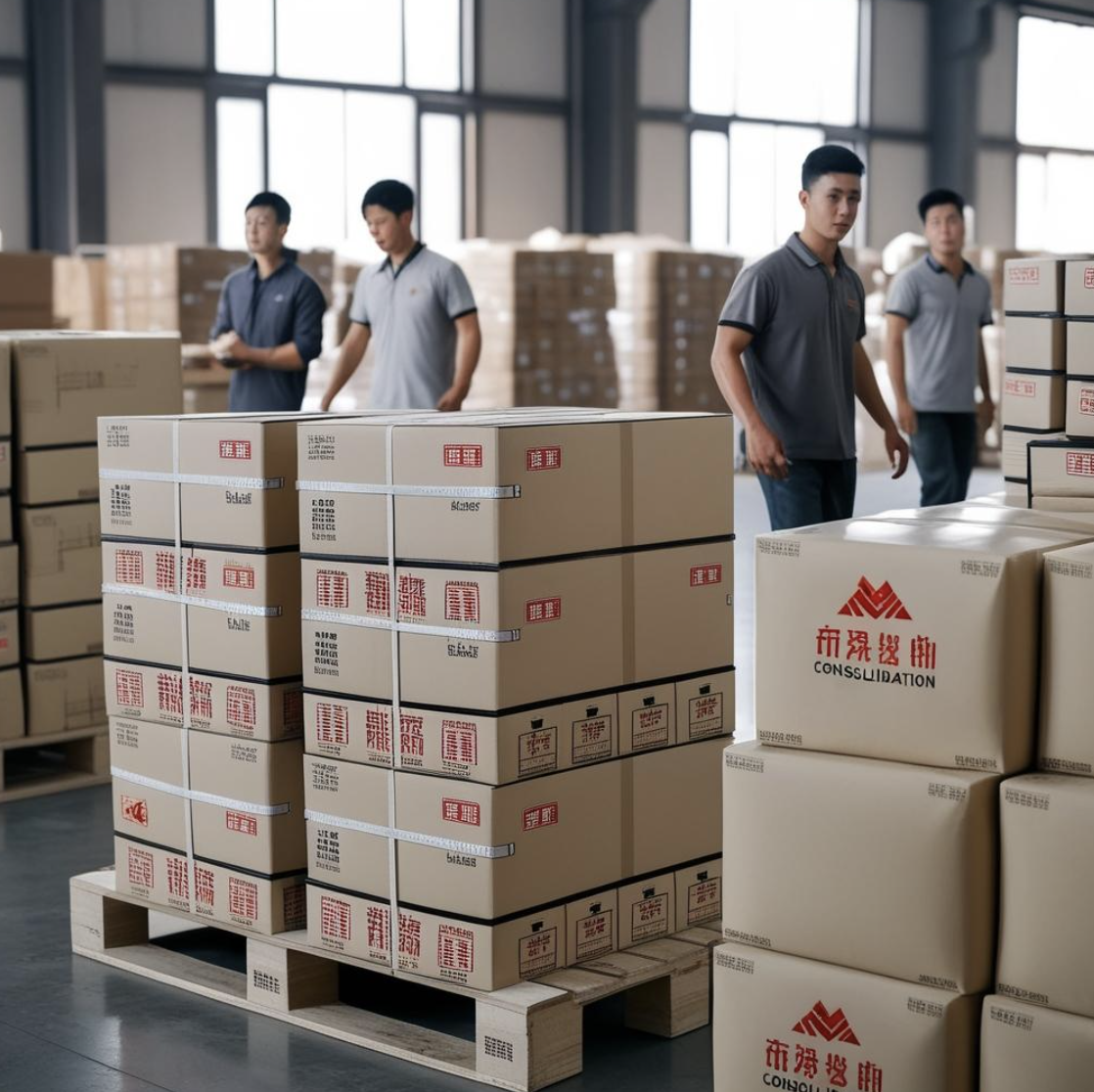
Our China sourcing services include:
1. Supplier Sourcing: Finding and evaluating suitable suppliers based on your product requirements.
2. Supplier Verification: Checking supplier backgrounds and factory capabilities.
3. Factory Audits: Helping you assess potential manufacturing partners.
4. Price Negotiation: Communicating with suppliers to negotiate more favorable purchasing terms.
5. Quality Control: Coordinating inspections to help ensure products meet your requirements.
6. Packaging & Consolidation: Coordinating packaging reinforcement and consolidating goods from multiple suppliers.
7. Shipping Coordination: Supporting FCL, LCL, air freight, express shipping, and relevant export documentation.
Whether you are placing your first order or managing an established supplier network, having a reliable local China sourcing partner can make your sourcing process more efficient and easier to manage.
The Canton Fair May Be Over, But Your Sourcing Journey Continues
The real value of attending the Canton Fair is not simply how many suppliers you meet, but how many reliable business relationships you can build afterward.
Take the time to evaluate your options, verify your suppliers, confirm product details, and plan your next purchasing steps carefully.
And you don't have to manage everything alone.
Looking for a reliable sourcing agent in China?
Let Guangzhou Bright Future help you follow up with suppliers, verify factories, coordinate orders, and manage the details of your China sourcing process. Whether you need support with a single product or multiple suppliers, we're here to help make sourcing from China simpler. Contact us at info@gz-brightfuture.com to discuss your sourcing requirements.